






Types of 3D Wall Panels Explained: MDF, PU, Plaster Real Wood
Types of 3D Wall Panels Explained: MDF, PU, PVC, Plaster & Natural Wood
Choosing the right 3D wall panel material makes all the difference — to how it looks, how it installs, and how it performs over time. Here is a clear, honest breakdown of every material we stock at The 3D Wall Panel Company.
3D wall panels are one of the most dramatic and cost-effective ways to transform a room. A single feature wall can completely change the atmosphere of a space — adding depth, texture, and architectural interest that paint alone simply cannot achieve. But with several different materials available, it can be difficult to know which type is right for your project. This guide walks through every material we stock, explaining what each one is made from, where it works best, and what to expect from installation and finish.
The materials we stock — compared
Every material below is available now at 3dwallpanels.co.uk, with samples available from £4.99 so you can check the quality in your own space before committing.
MDF 3D Wall Panels
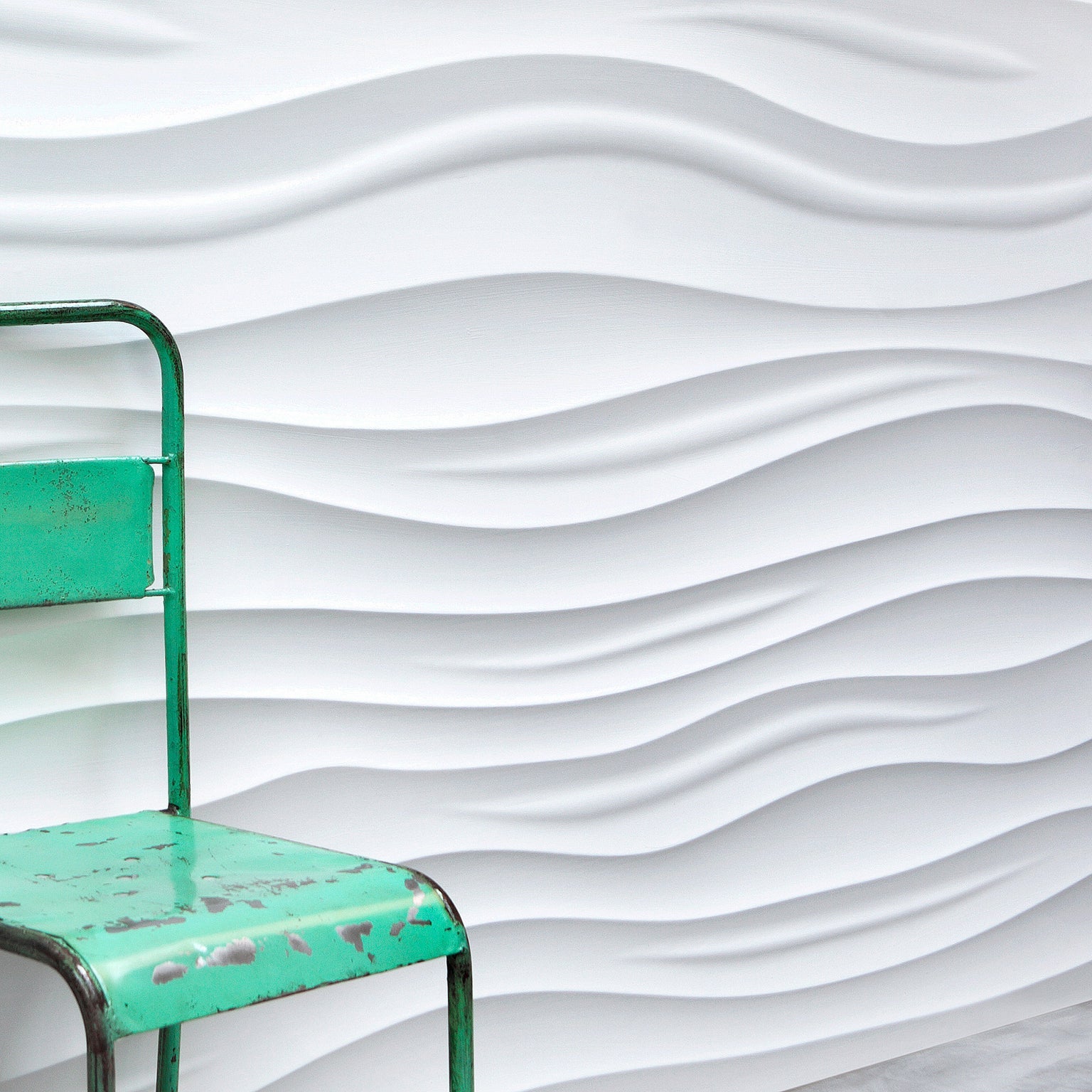
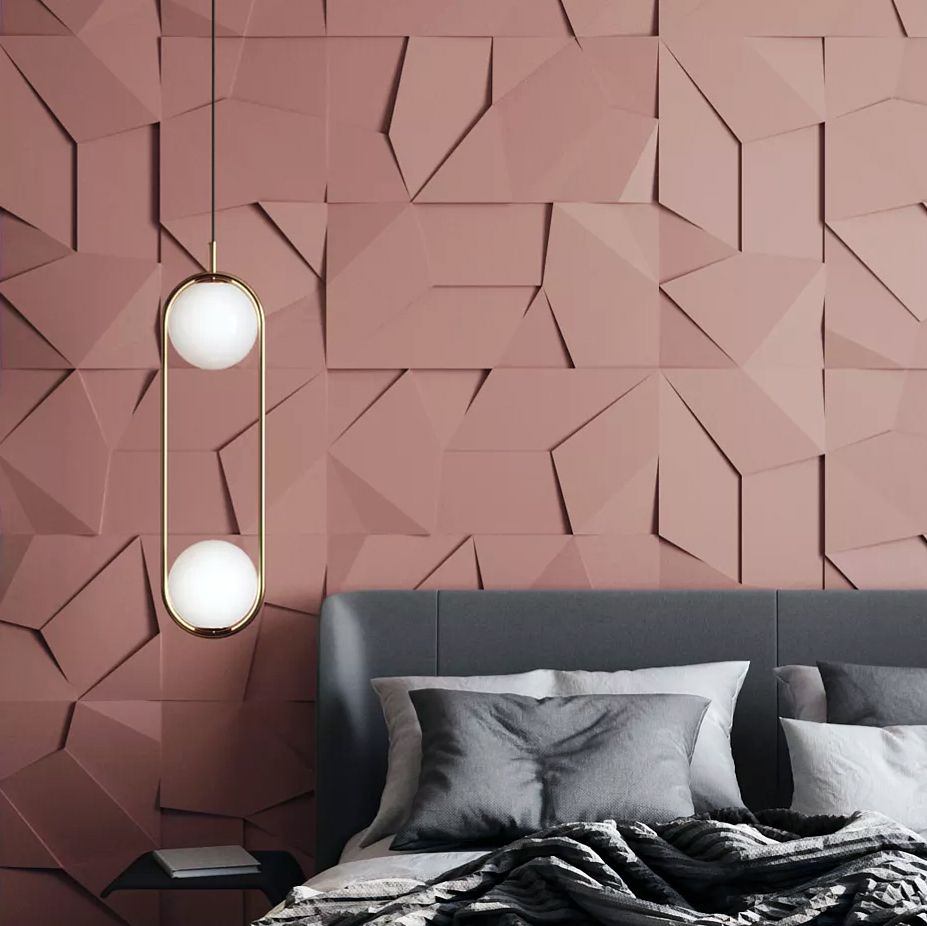
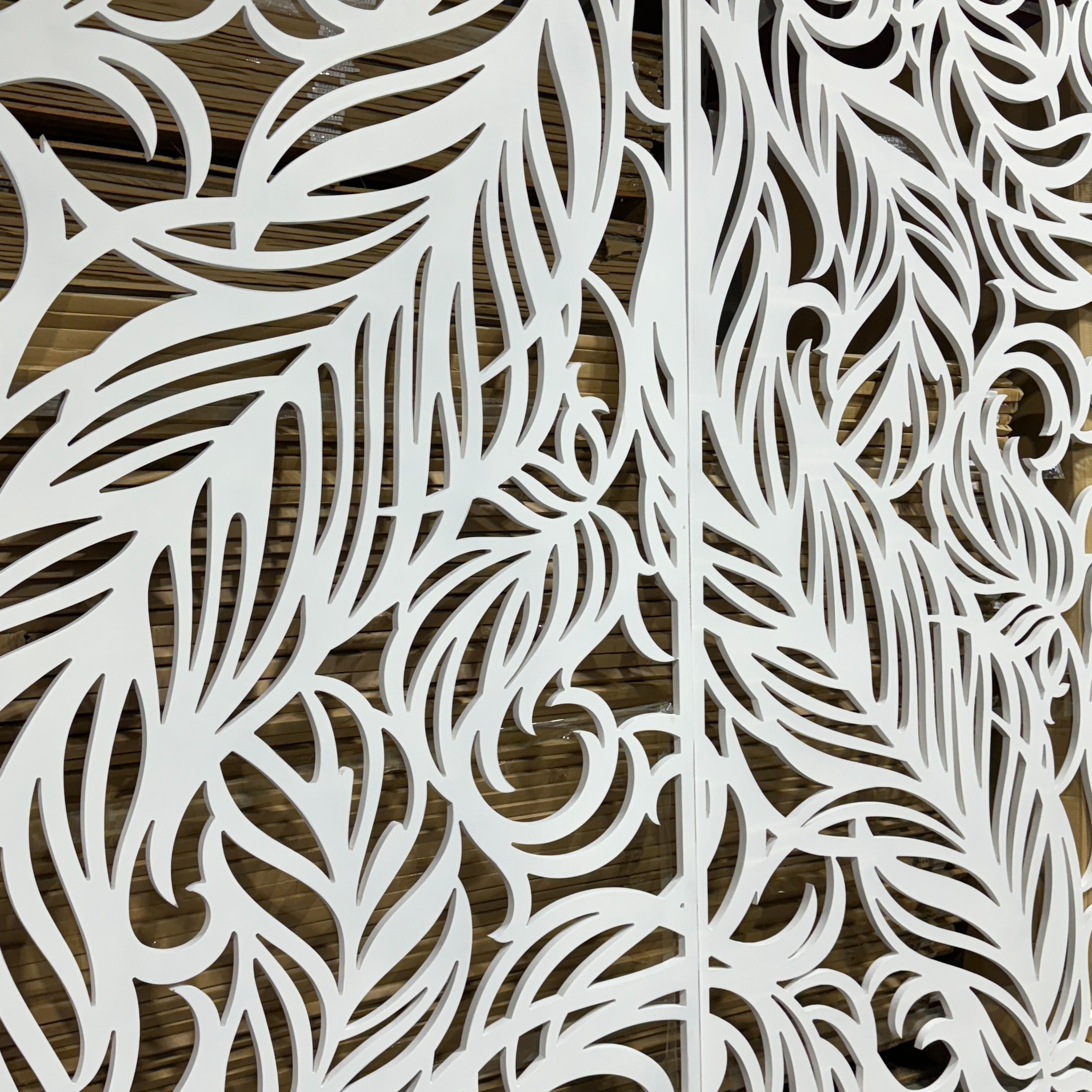
Our most popular material. CNC-machined from high-quality MDF, these panels feature deeply sculpted geometric and organic patterns — not flat printed designs. Supplied primed and ready to paint any colour.
PU (Polyurethane) Panels
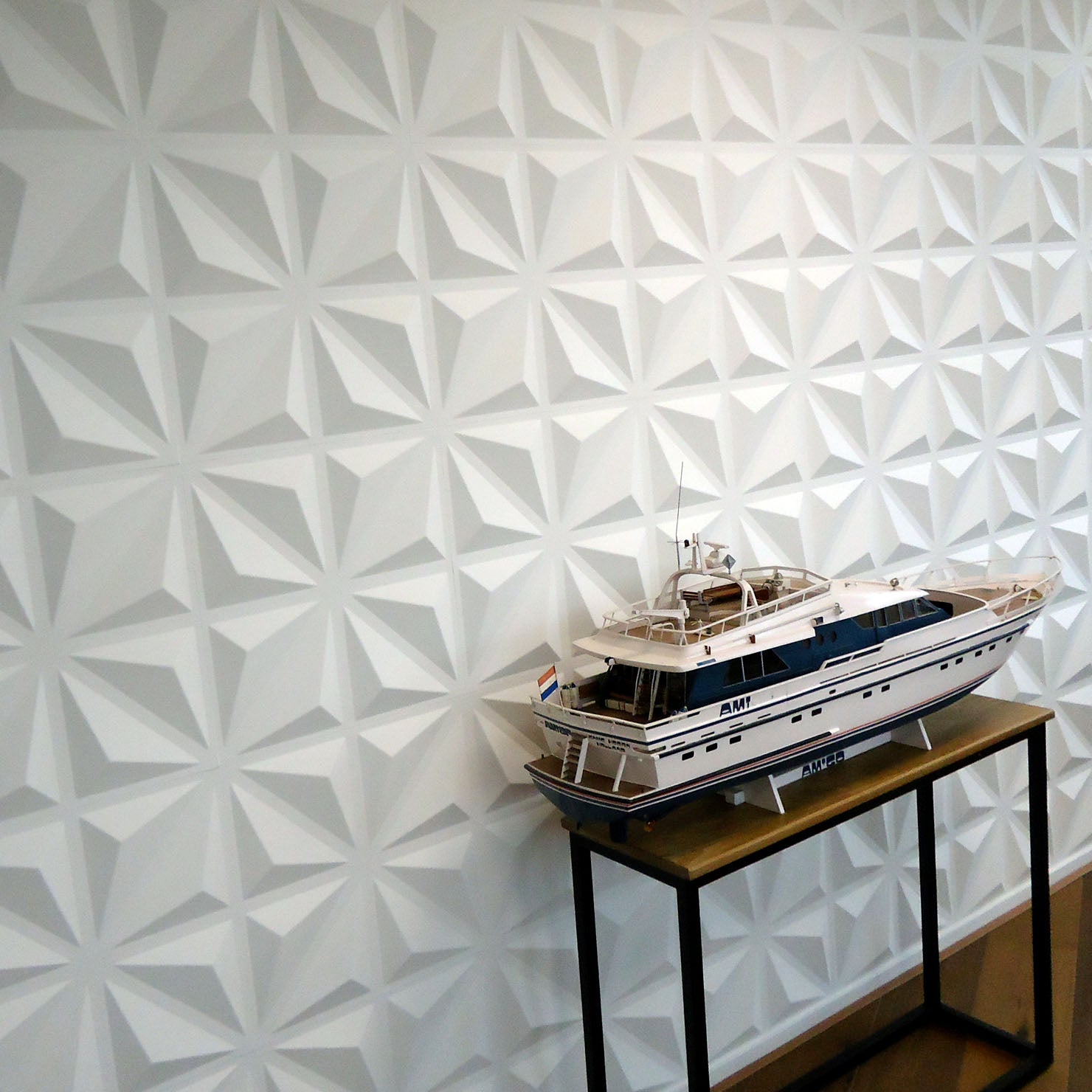
Lightweight rigid foam panels that are easy to cut and install, with excellent detail reproduction. A great choice for decorative moulding-style designs and intricate patterns, at a fraction of the weight. Easy to install and also paintable
PVC 3D Wall Panels
Moisture-resistant and durable, PVC panels are well suited to kitchens, bathrooms, and commercial spaces where humidity or cleaning is a factor. Wipe-clean and low maintenance.
Plaster & Gypsum Panels
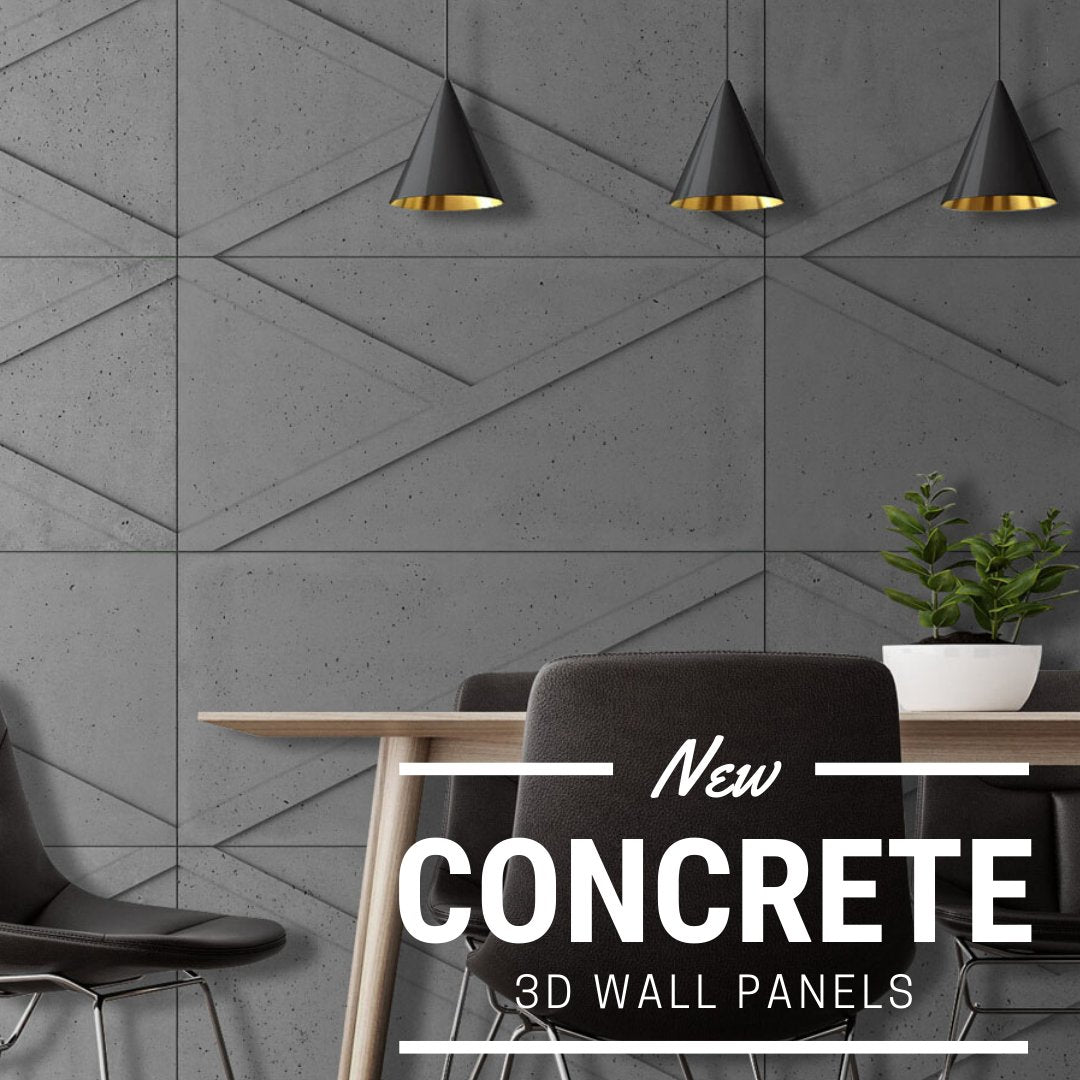
Premium plaster panels that deliver a genuine plastered finish. Fire-resistant, highly detailed, and paintable to any colour. Ideal for high-specification homes, hotels, and restaurants where quality matters.
Natural Wood Panels
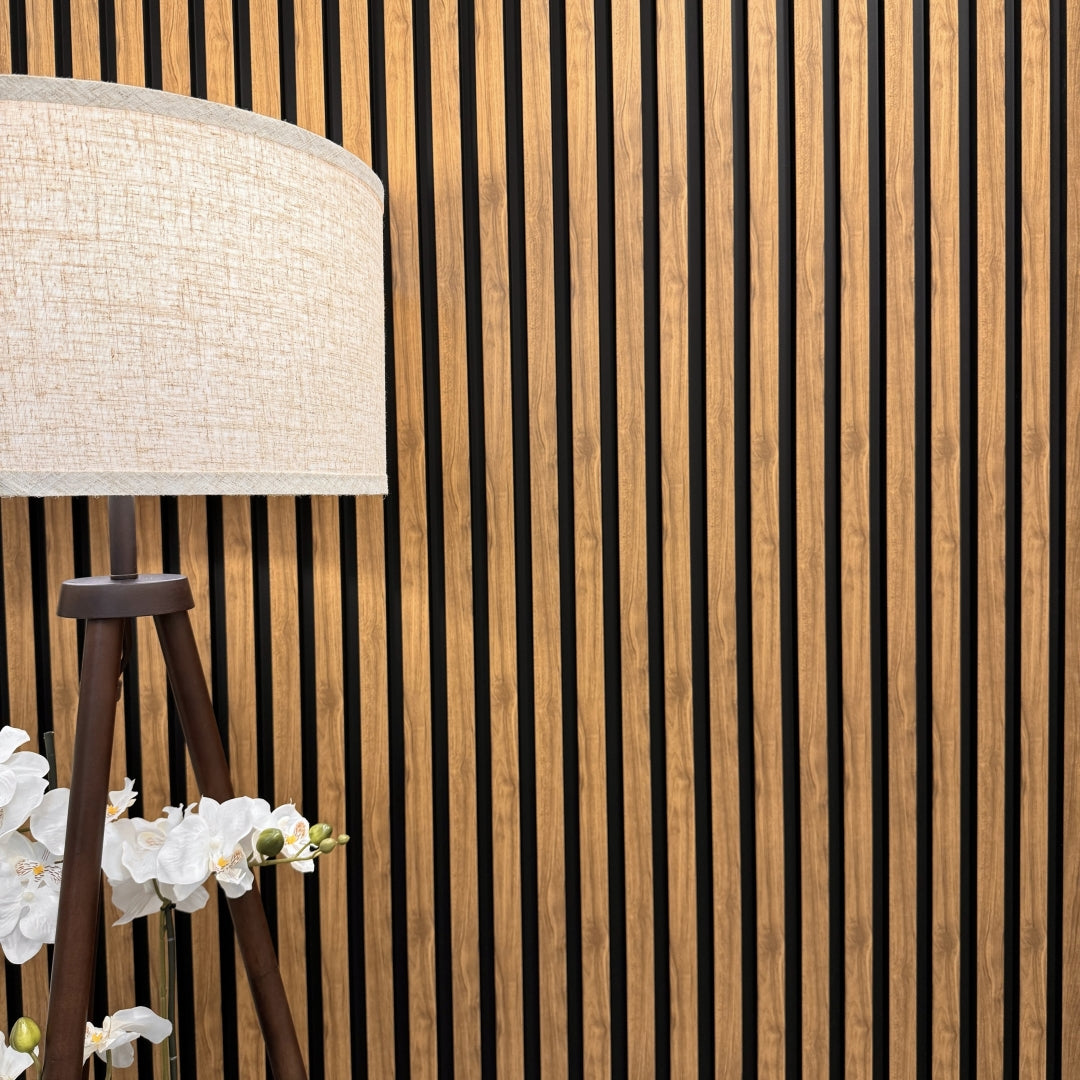
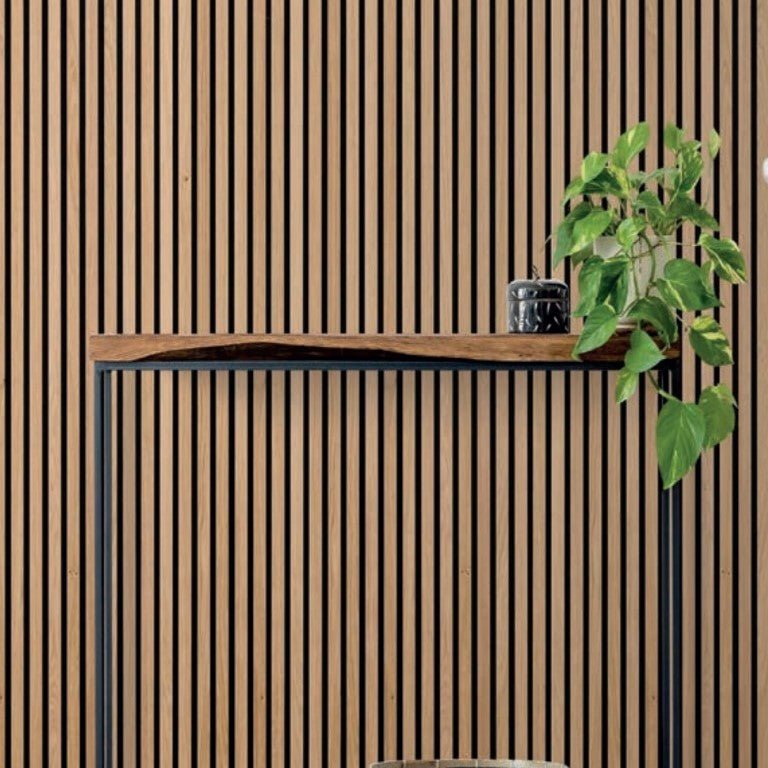
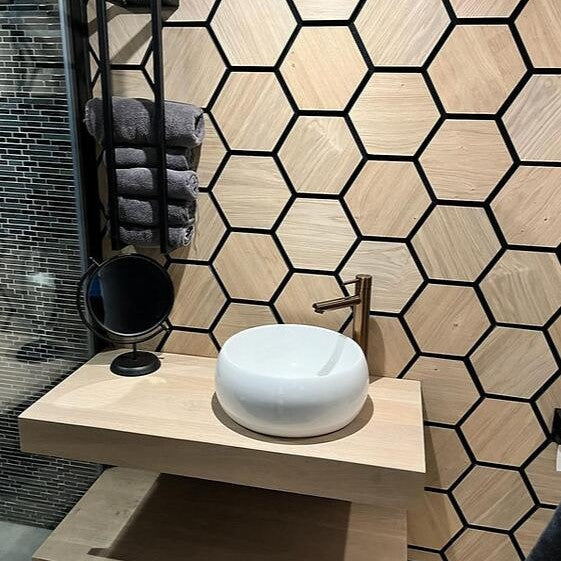
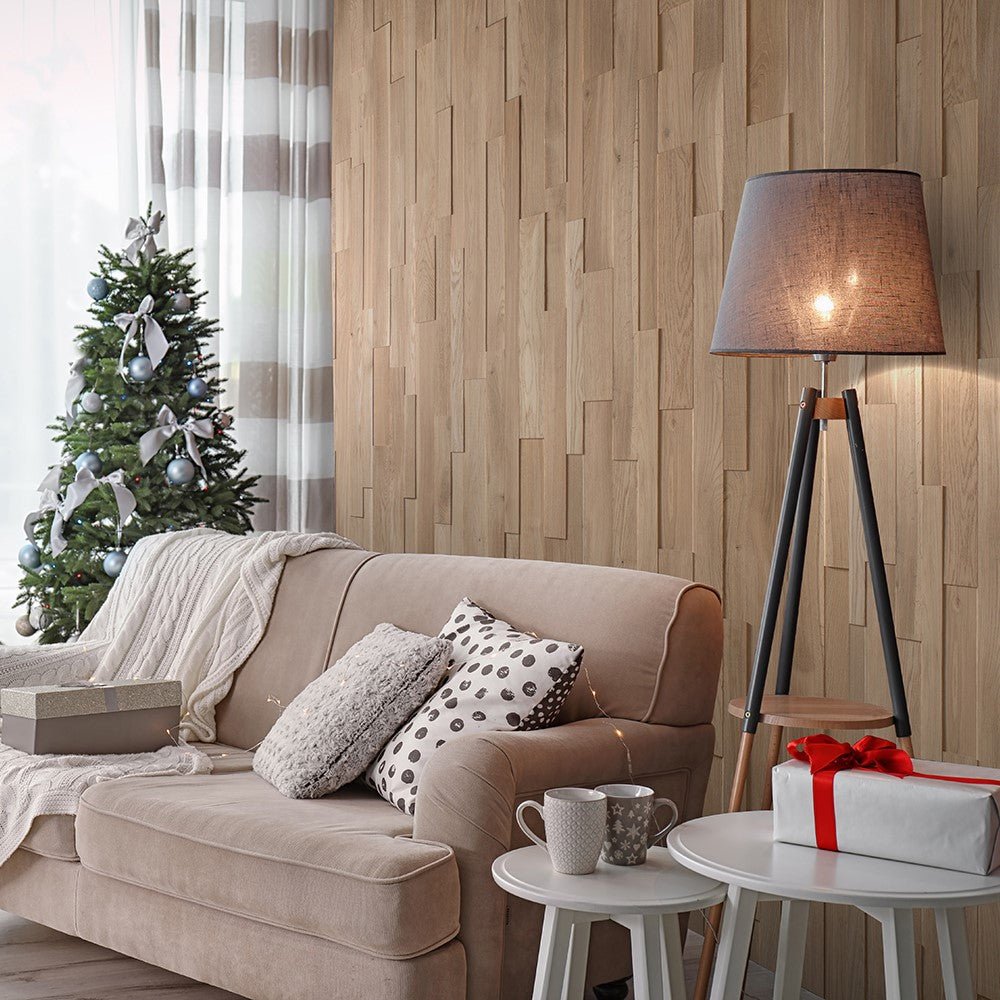
Real wood wall panels that bring warmth and organic character to a space. Each piece carries natural grain variation, making every installation unique. Available in our slat wall and wood panel ranges
Which material should you choose?
MDF is the right choice for most interior projects where you want a deeply sculpted, paintable panel at a strong price point. It machines beautifully into sharp, defined patterns and accepts any paint finish — from flat matt to lacquer. It is not suitable for wet rooms.
PU panels are the go-to when weight is a concern — for ceilings, large-scale installations, or anywhere you want intricate detail without the heft of plaster or MDF. They are also straightforward to cut with a standard saw or craft knife.
PVC solves the moisture problem. If you need a 3D panel in a bathroom, kitchen splashback area, or humid commercial environment, PVC is the practical answer. Easy to clean and highly durable over time.
Plaster and gypsum panels are the premium option. If you are specifying for a high-end residential project, hotel, or restaurant and want a finish that is indistinguishable from traditional plastered moulding, this is the material to choose. They are also fire-resistant, which matters in commercial applications.
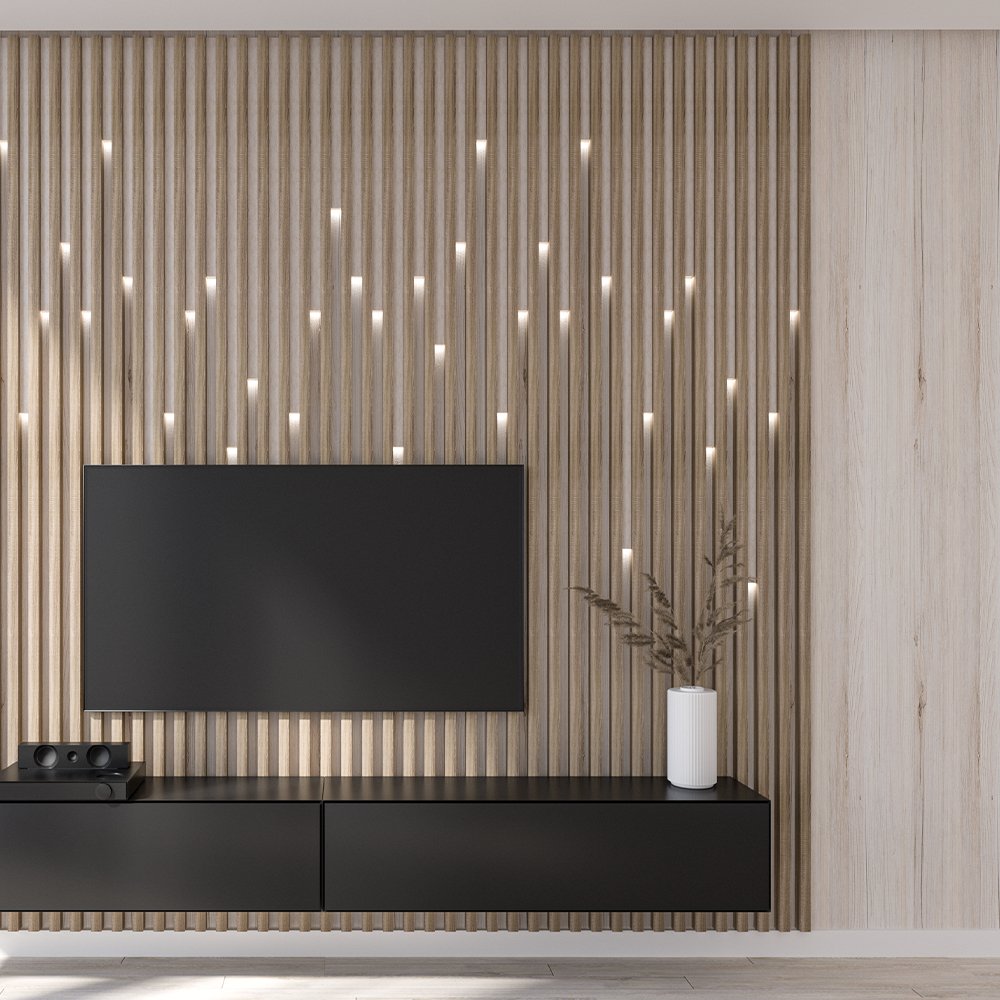
Natural wood panels are best when warmth and organic texture are the priority. Whether in a living room, bedroom, or hospitality setting, real wood brings a quality that no imitation can replicate. Pair with simple, directional lighting for maximum impact.
Not sure which to choose? Order samples from £4.99 and see every material in your own space, under your own lighting, before you buy. Call Jessica on 01535 642560 if you want a recommendation.
What about installation?
All of our panels are designed for straightforward DIY installation. PU and PVC panels can typically be fixed with standard panel adhesive or say the MDF, a combination of adhesive and countersunk screws. Plaster panels are fixed with a specialist heavy duty tile adhesive or bonding compound. Natural wood slat panels are generally fixed by pinning or adhering to a prepared flat surface. Our team is always happy to help if you have questions.
Panel thickness and relief depth vary between designs. If you want dramatic shadow lines and a bold architectural effect, look for panels with a deeper relief — these respond beautifully to directional lighting. For a subtler, textural finish, shallower profiles work well layered with other materials.
Supplying homes and businesses across the UK since 2005, The 3D Wall Panel Company carries one of the widest ranges of 3D wall panel materials available online. Browse the full collection at 3dwallpanels.co.uk, or order samples to try before you buy.
Leave a comment